There is no escaping the heat of a Texas summer. With average temperatures in the upper 90s – and many days breaking the 100-degree mark – we are all feeling the strain. But what often goes unnoticed until a loved one elderly loved one suffers from dehydration or a heat-related illness is just how quickly and seriously the summer heat can affect older adults.
Seniors are especially vulnerable to heat-related illness and dehydration, making it vital to recognize the signs and take the right precautions to protect them during the dog days of summer.
Why are Seniors More Sensitive to the Heat?
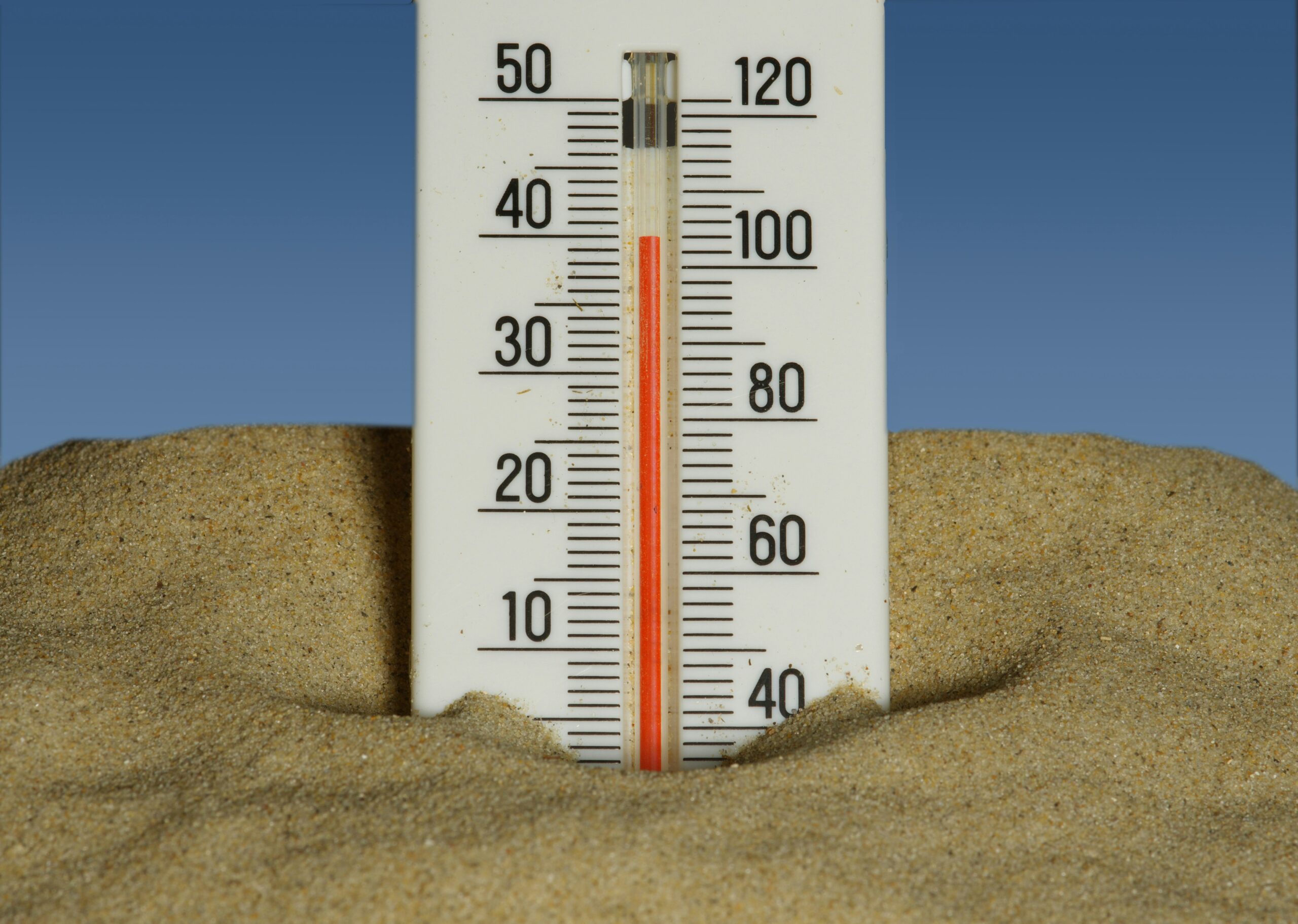 As we age, our bodies become less efficient at regulating temperature. Older adults may not feel thirsty until they’re already dehydrated, and their ability to sweat, which helps cool the body, is often reduced.
Chronic medical conditions such as heart disease, lung disease, and diabetes can further compromise the body’s ability to handle heat. Some prescription medications, such as diuretics, beta blockers, sedatives, tranquilizers, and some heart and blood pressure medicines, can interfere with the body’s ability to regulate its temperature as well.
Cognitive impairments such as dementia can dull awareness of physical discomfort and delay appropriate action. Surprisingly, social factors such as living alone, financial constraints leading to high thermostat settings and/or lack of air conditioning, and limited mobility can make things worse.
Recognizing Dehydration and Heat-Related Illness
Older adults may not immediately connect how they’re feeling with the heat. That’s why it’s important to be aware of subtle (and not-so-subtle) symptoms.
Signs of Dehydration:
- Headache
- Fatigue or weakness
- Muscle cramps in legs, arms, or stomach
- Dry skin or eyes
- Dark urine
- Dizziness or lightheadedness
- Confusion or irritability
- Low blood pressure or heart palpitations
Although thirst and dry mouth are also signs, the sensation of thirst can be unreliable in older adults, as it often diminishes with age.
Signs of Heat-Related Illness:
- Thirst, nausea, dizziness, weakness, excessive sweating, clammy skin, poor coordination, and muscle cramping are symptoms of heat exhaustion.
- Heat exhaustion can progress to heat stroke, a life-threatening condition in which the body’s temperature rises above 104°F. Signs of heat stroke include fainting, confusion, irregular behavior, lack of sweating, and/or an irregular pulse (which can be strong and rapid or slow and weak). Seek emergency help immediately.
How to Prevent Heat-Related Issues
An ounce of prevention is worth a pound of cure when it comes to summer heat.
- Staying hydrated is key. Encourage seniors to drink water throughout the day. If they dislike water, flavor it with citrus, or try a variety of electrolyte packets.
- Limit caffeine and alcohol. Both are dehydrating and can undo the work they’ve done to drink up!
- Eat hydrating foods. Watermelon, cucumber, strawberries, cantaloupe, pineapple, and peaches can be a good source of water, and who doesn’t love these on a hot summer day?
Note: If your doctor has advised limiting fluid intake, such as for those with congestive heart failure, it’s important to ask what to do during hot weather.

What to Do if Symptoms Arise
If signs of dehydration or heat illness appear:
- Find a cool, shaded, or air-conditioned place for them to rest.
- Offer them something cool to drink.
- Cool their body. Use a damp washcloth on the neck, a cool bath, or change into light, breathable clothing.
- Use fans to increase airflow.
- If symptoms worsen or there are any concerns about heat stroke, call for medical help immediately.
While summer in Texas can be sweltering, it doesn’t have to be dangerous, especially for our aging loved ones. Awareness, preparation, and a little extra care can go a long way in keeping them safe. After all, summer should be a time of connection, not concern. Let’s make sure our seniors can enjoy the season safely – one cool moment at a time.
