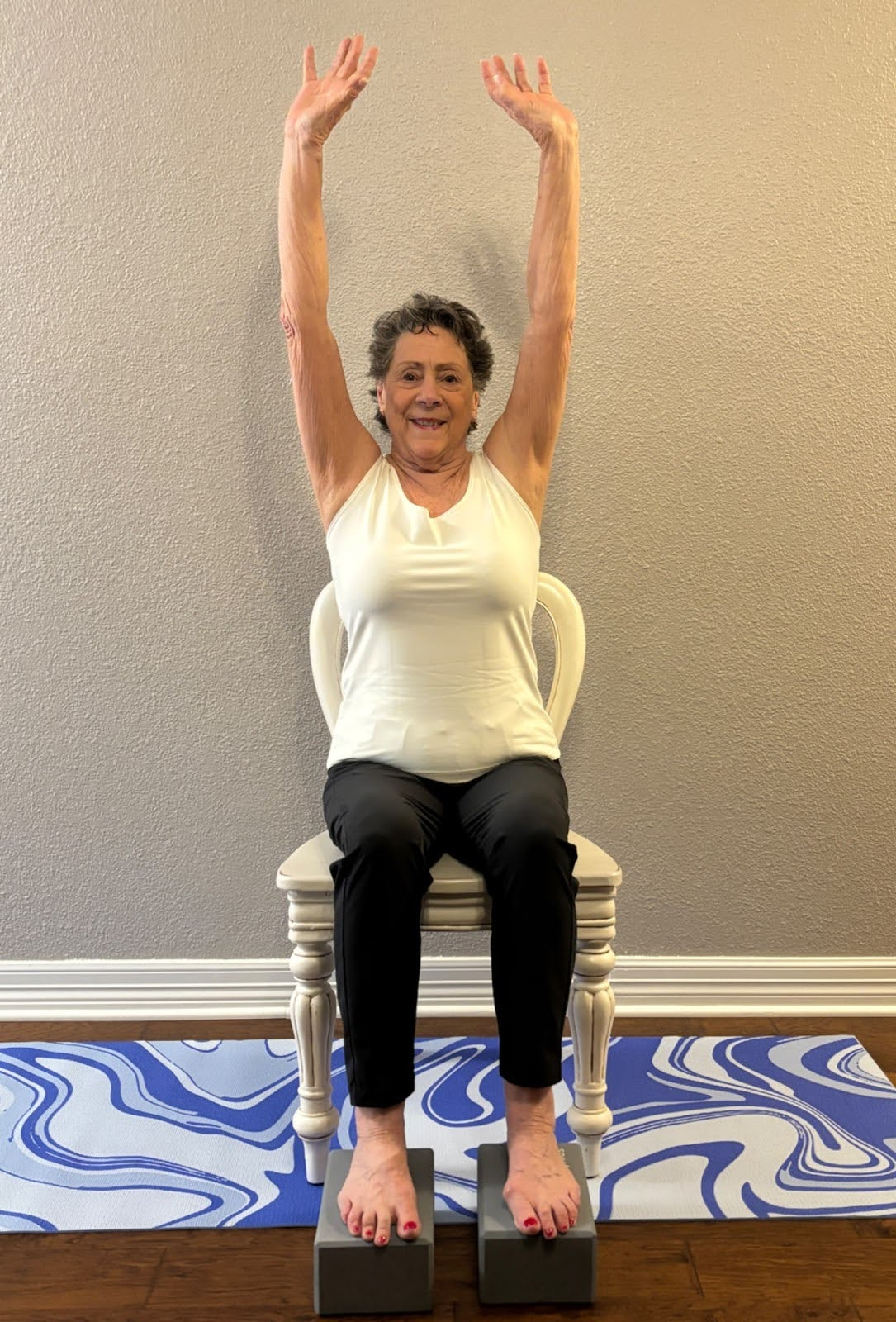
 Winter has a way of slowing everything down—shorter days, colder weather, and the temptation to curl up inside until spring returns. But for older adults, staying active during the winter months isn’t just helpful… it’s essential. The old saying “use it or lose it” applies not only to muscles and mobility, but also to the willpower needed to move.
This idea also aligns with a timeless principle from physics – inertia – which states a body in motion stays in motion and a body at rest stays at rest. The same is true for people. The more we move, the easier it becomes to keep moving. The more we sit still, the harder it becomes to start again. Winter gives us plenty of excuses to be still—but that’s exactly when it’s most important to push gently against that resistance.
Even when it’s cold out or unsafe to drive, keeping active during the colder months is important to maintain your ability to move. Think about daily movement as a key link to your freedom and independence. Muscles naturally weaken if they aren’t used regularly. Even a few weeks of reduced activity can make daily tasks like climbing stairs, getting up from a chair, or carrying groceries feel harder. By keeping your body in motion during the winter, you maintain not just muscle strength but also greater independence.
Movement is also a mood booster. Shorter, darker days can lead to the “winter blues.” Moving your body every day releases endorphins, improves sleep, and helps maintain a rhythm to your day. Keeping yourself moving, especially when you add fun music, helps keep your spirits up.
While daily movement is good for your muscles, choosing to move even when you don’t feel like it is a form of strength training for your soul. Each time you stretch, walk, or exercise “just a little,” you reinforce discipline, resilience, and self-trust. You prove to yourself that you can push gently through resistance and do what’s good for your body and mind.
You don’t need a gym or special equipment to do something every day (but do consult with your doctor before getting started). Consider these senior-friendly options that keep your body in motion:
- Indoor walking – Walk around your home or yard. Aim for 5-10 minutes at a time. Small steps create big momentum. Consider this your warm up before branching off into the other exercises – it’s important to warm up first.
- Light Strength Training – If you search YouTube for “best at home exercises for seniors,” you can find online guidance from different certified sources that use light weights, resistance bands, or your own body weight. There are many exercises that you can do from your own home to strengthen your arms, legs, and core. There are also classes at local gyms, like the YMCA; call your insurance provider to see if your monthly membership is covered as a preventative health benefit. If you have Medicare, ask if you qualify for SilverSneakers.
- Chair exercises – Practice sit-to-standing, arm circles, leg lifts, and gentle stretching. You can find multiple certified options for chair yoga on YouTube if you want a guided session.
- Balance practice – Stand on one foot while holding the back of a chair, do toe raises, or walk heel-to-toe along the length of the kitchen counter. YouTube is, again, a good source for guidance.
It is important to remember that consistency matters more than intensity. The first step is always the hardest! You can start slowly by putting movement into your daily schedule. Begin with a few repetitions of each exercise and gradually increase the number you do as you grow stronger. It is also encouraging to set a goal for yourself. Would it be fun to show off your growing strength and resilience to your kids when they visit or do a senior “fun run/walk” in the spring? There are often 1K (.62 miles) and 1 mile fun runs associated with Fiesta. Search online for events you can participate in, invite your family to join you, and show yourself what you can do! Once you start moving, with inertia on your side, who knows what you’ll be able to do and how good you will feel.
